
Picking a new driveway surface feels confusing when two options sound almost the same. Resin bound and resin bonded driveways get mixed up all the time, yet they behave very differently once they’re down. This article explains what each system actually is, how they compare on cost, durability, and drainage, and which one suits a typical Shrewsbury home. Shropshire’s wet winters and its mix of period and modern properties make this more than a style choice. By the end, you’ll know exactly which surface fits your budget. Right Choice Surfacing has installed both systems across Shrewsbury and the surrounding areas, so this advice comes from real, local jobs.
What’s the Real Difference Between Resin Bound and Resin Bonded?
The two names sound alike, but the installation methods couldn’t be more different. That difference changes how each surface looks, drains, and holds up over time. Here’s how each one actually works.
Resin Bound Driveways Explained
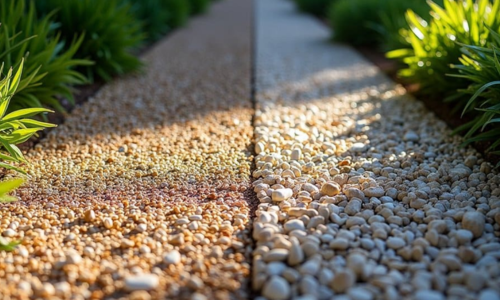
Installers mix the aggregate (the small decorative stones) with resin first, then trowel the blend across the base in one smooth layer. This creates a flat, glass-like finish with no loose stones on top. Because the mixture stays even throughout, water passes straight through the surface and drains into the ground below. That’s why resin bound counts as a permeable surface under UK drainage rules.
Resin Bonded Driveways Explained
Resin bonded works the opposite way around. The installer spreads a layer of resin across the base first, then scatters loose stone on top while the resin stays wet. Those stones stick to the surface, but they don’t blend into it. This method gives a textured, gravel-like look. However, it also means the surface isn’t permeable, so rainwater sits on top instead of draining through.
Resin Bound vs Resin Bonded: Differences at a Glance
A quick side-by-side comparison makes the choice easier. Here’s how the two systems stack up on the factors that matter most to Shrewsbury homeowners.
| Factor | Resin Bound | Resin Bonded |
| Appearance | Smooth, level, glass-like finish | Textured, natural gravel look |
| Permeability | Fully permeable, SuDS compliant | Not permeable |
| Durability | 15–25 years with proper installation | Shorter lifespan; prone to stone loss |
| Typical cost (Shrewsbury) | £70–£120 per m² | £40–£70 per m² |
| Maintenance | Low; occasional wash | Higher; edges need topping up |
| Best for | Driveways, heavy traffic, drainage-conscious homes | Budget projects, decorative paths |
Which Costs More? Resin Bound vs Resin Bonded Driveway Prices in Shrewsbury
Price is usually the first question homeowners ask, and it’s a fair one. Resin bonded costs less upfront because it uses less resin and needs less skill to lay. In Shrewsbury, most resin bonded driveways run between £40 and £70 per square metre. Resin bound, on the other hand, needs more resin, more aggregate, and a more careful trowelling process, so expect to pay between £70 and £120 per square metre.
However, the sticker price only tells half the story. Resin bound tends to last longer and needs less repair work down the line, so the true cost per year often works out similar or lower. Therefore, it’s worth weighing the driveway’s expected lifespan alongside the initial quote, not just the number on the invoice.
A few things push your final price up or down, whatever system you pick:
- The condition of your existing base, since a full dig-out costs more than an overlay
- The overall size of the driveway
- Your choice of aggregate colour and blend
- How easy the site is to access for machinery and materials
For an accurate figure based on your own driveway, Right Choice Surfacing offers a free, no-obligation survey and quote.
Durability and Lifespan: How Long Will Each Surface Last on a Shrewsbury Driveway?
Resin bound driveways typically last between 15 and 25 years when installers prepare the base correctly. The stone and resin bond tightly together, so there’s little room for individual stones to work loose. Resin bonded driveways don’t fare as well. Because the stones only sit on top of the resin, they can migrate over time, especially under regular car tyres, and cracking or thinning patches tend to show up sooner.
Shropshire’s weather plays a role here too. Cold winters bring freeze-thaw cycles that can crack weaker surfaces, and the county’s clay-heavy ground shifts more than sandy soil does elsewhere. A well-prepared resin bound driveway copes with these conditions better, mainly because water drains through rather than sitting and freezing on top.
Permeability and Drainage: Which Is Right for Shrewsbury’s Rainfall?
Permeability sounds technical, but it simply means how well water passes through a surface instead of pooling on it. Resin bound driveways are fully permeable, so rain drains straight through into the ground below. This matters under UK planning rules: homeowners who replace a large front garden or driveway with a non-permeable surface may need planning permission, while permeable resin bound usually doesn’t require it.
SuDS stands for Sustainable Drainage Systems, a set of UK guidelines that reduce flooding risk and manage surface water responsibly. Resin bound surfaces meet SuDS requirements, which makes life easier if you’re replacing or extending a driveway. Resin bonded, being non-permeable, doesn’t offer the same compliance. If drainage and planning rules matter to you, resin bound is the simpler choice.
Appearance and Kerb Appeal: Smooth Resin Bound vs Textured Resin Bonded
Looks matter too, and both systems bring something different to the table. Resin bound gives a smooth, contemporary finish that suits modern estate homes and newer developments around Shrewsbury. It also comes in a wide range of colours and aggregate blends, so you can match it to your property’s style.
Resin bonded, meanwhile, keeps the natural, gravel-style look that many period and countryside properties call for. If your home sits on one of Shrewsbury’s older streets and you want a traditional feel, resin bonded might tick that box. Either way, both options beat a cracked, patchy driveway that drags down your home’s kerb appeal.
Maintenance: Which Driveway Needs Less Upkeep?
Nobody wants a driveway that demands constant attention. Resin bound wins here: weeds struggle to take hold, stones stay in place, and an occasional pressure wash keeps the surface looking fresh. Resin bonded needs a bit more care. Watch out for these common issues:
- Loose stones that need topping up over time
- Weeds creeping in more easily at the edges
- Cracks or dips that need earlier repair
That said, resin bonded still needs less work than gravel or traditional block paving. It just falls short of resin bound’s low-maintenance reputation.
Can You Install Resin Over an Existing Driveway?
Good news: in most cases, yes. Both resin bound and resin bonded can go over an existing tarmac or concrete base, as long as that base stays sound and stable. This saves money on excavation and speeds up the job considerably.
However, a cracked, sunken, or poorly draining base won’t hold either surface well. Right Choice Surfacing checks the condition of your existing driveway during the free survey and tells you honestly whether an overlay will work, or whether you need a full rebuild first.
Resin Bound vs Resin Bonded: Pros and Cons Summary
Resin Bound
Pros:
- Fully permeable and SuDS compliant
- Smooth, modern finish with no loose stones
- Lasts 15–25 years with proper installation
- Low, easy maintenance
Cons:
- Higher upfront cost
- Needs a skilled installer to avoid an uneven finish
Resin Bonded
Pros:
- Lower upfront cost
- Natural, gravel-style look
- Faster to install
Cons:
- Not permeable
- Stones can migrate or thin out over time
- Shorter lifespan than resin bound
Which Is Right for YOUR Shrewsbury Driveway? A Quick Checklist
Run through these questions to narrow down your choice:
- Want full drainage compliance and low maintenance? Choose resin bound.
- Working with a tighter budget and want a gravel look? Resin bonded fits better.
- Expecting daily heavy vehicle use? Resin bound handles wear more evenly.
- Restoring a period property with a traditional feel? Resin bonded often suits it best.
- Still not sure? A short site visit answers this faster than guesswork.
If you’re still unsure, that’s completely normal. Every driveway has its own base, slope, and drainage situation, and the right answer depends on those details as much as personal taste.
Why Shrewsbury Homeowners Choose Right Choice Surfacing
Right Choice Surfacing installs both resin bound and resin bonded driveways across Shrewsbury, Telford, Stafford, Wolverhampton, and the surrounding areas. Because the team works with both systems, you get honest advice rather than a pitch for whichever product happens to be in stock.
Here’s what you can expect:
- A free, no-obligation survey and quote, with no high-pressure sales
- £2,000,000 public liability insurance for peace of mind
- Local knowledge of Shropshire’s weather, soil, and property types
- Strong customer feedback, including a 4.86/5 rating on TrustATrader and 5.0/5 on Yell
- Alternative options too, including tarmac driveways and block paving, if resin isn’t the right fit for your property
You can also browse the full 2026 driveway materials comparison guide for a wider look at your options beyond resin.
Final Thoughts and Next Steps
Resin bound and resin bonded driveways both do a good job, but they suit different priorities. Resin bound offers a smoother finish, better drainage, and a longer lifespan, while resin bonded costs less upfront and keeps a natural gravel look. Your choice comes down to budget, drainage needs, and the style of your Shrewsbury home.
Ready to move forward? Contact Right Choice Surfacing for a free, no-obligation survey and quote. The team will assess your driveway, explain your options honestly, and help you choose the surface that actually fits your home and your budget.
Frequently Asked Questions
What’s the difference between resin bound and resin bonded driveways? Resin bound mixes aggregate and resin together before laying, creating a smooth, permeable surface. Resin bonded scatters loose stone over wet resin instead, giving a textured, non-permeable finish. That mixing process is what sets the two systems apart.
Which is cheaper, resin bound or resin bonded? Resin bonded usually costs less upfront, typically £40–£70 per square metre in Shrewsbury. Resin bound costs more, usually £70–£120 per square metre, but it often lasts longer and needs fewer repairs over time.
How long does a resin bound driveway last? A well-installed resin bound driveway lasts between 15 and 25 years. Proper base preparation makes the biggest difference to how long the surface holds up.
Do resin bonded driveways crack or lose stones? Yes, over time. Because the stones sit on top of the resin rather than mixing into it, they can loosen or migrate, especially under regular vehicle use.
Is a resin bound driveway permeable? Yes. Resin bound is fully permeable, so rainwater drains through the surface instead of pooling. This also makes it SuDS compliant.
Can I install resin over my existing driveway? Often, yes, as long as the current base stays stable and in good condition. A site survey confirms whether an overlay will work or whether you need a full rebuild first.
Do I need planning permission for a resin driveway in Shrewsbury? Usually not, if you choose a permeable option like resin bound. Non-permeable surfaces over a certain size may need permission, so it’s worth checking before you start.
Which is better for heavy vehicle use? Resin bound handles daily traffic and heavier vehicles more evenly, thanks to its solid, bonded structure. Resin bonded suits lighter use or decorative areas better.