
This guide walks you through the main fencing styles available for Shrewsbury gardens and explains how to match a fence to your home. Whether you own a cottage near the town centre or a new-build on the edge of Bayston Hill, the right fence adds privacy, security, and real kerb appeal. Get this decision wrong, though, and you could end up with a fence that clashes with your property or falls apart after one wet Shropshire winter. Let’s look at your options, the rules you need to follow, and what a typical installation costs.
Why the Right Fence Matters for Shrewsbury Homes
Privacy, Security, and Kerb Appeal
A good fence does more than mark your boundary. It keeps your garden private, stops pets and children from wandering, and adds a layer of security around your home. On top of that, a well-chosen fence lifts your property’s overall look. Buyers notice tidy boundaries, so a smart fence can even support your home’s value when you come to sell.
Shrewsbury’s Property Mix Calls for Different Solutions
Shrewsbury isn’t a one-style town. You’ll find timber-framed cottages near the town centre, Victorian terraces around Belle Vue, modern estates near Bicton Heath, and exposed rural plots on the edge of the Shropshire Hills. Each of these settings calls for a different fencing approach, so what suits your neighbour might not work for your own garden at all.
Weather plays a part too. Shropshire sees plenty of rain across the year, and gardens on higher ground catch stronger gusts than sheltered town-centre plots. A fence that copes well in a walled courtyard garden might struggle on an open hillside, so it’s worth thinking about your specific spot rather than copying what looks good elsewhere.
Popular Fencing Styles Compared
Before you choose a style, it helps to know what each option actually offers. Here’s a quick rundown of the fencing types homeowners fit most often across Shropshire gardens.
Closeboard Fencing
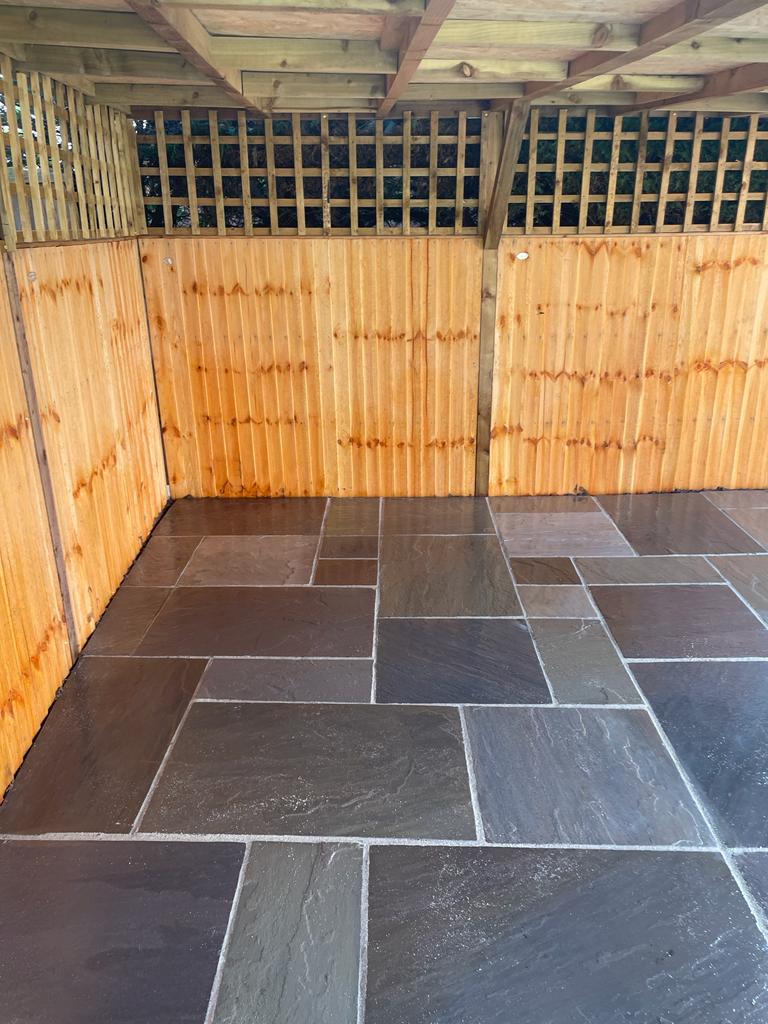
Closeboard fencing uses overlapping vertical boards fixed to horizontal rails, creating a strong, solid barrier. This style suits homeowners who want maximum privacy and security, and it stands up well against strong wind because the boards interlock tightly. Closeboard fencing costs more than basic panels, but it lasts longer and rarely needs replacing section by section.
Feather Edge Fencing
Feather edge fencing is a type of closeboard fence built from tapered timber boards, which gives it the classic wooden garden look many Shrewsbury homeowners want. It works especially well around period properties, where a traditional timber finish suits the surrounding architecture.
Panel and Lap Fencing
Panel fencing (sometimes called lap fencing) comes pre-built in ready-made sections, so it’s quick and simple to install. This makes it one of the most budget-friendly options. That said, panels tend to wear out faster than closeboard fencing, particularly in exposed spots.
Composite Fencing
Composite fencing blends recycled wood fibre with plastic, so you get a timber look without the upkeep. You won’t need to stain or treat it, and it resists rot far better than natural wood. The upfront cost sits higher than timber, but many homeowners save money over time on maintenance.
Picket and Post-and-Rail Fencing
Picket fencing suits front gardens and period cottages, adding charm without blocking light or views. Post-and-rail fencing, on the other hand, works well for larger rural boundaries, paddocks, and properties on the edge of Shrewsbury where you don’t need a solid barrier.
Metal and Security Fencing
Metal fencing, including railings and wrought iron designs, adds a decorative finish to front boundaries while still offering good security. For properties that need stronger protection, welded mesh or steel security fencing gives you a tougher barrier. Our team at Right Choice Surfacing fits all of these styles across Shrewsbury and the wider county.
How to Choose the Right Fence Style for Your Property
Once you understand your options, the next step is matching them to your specific home and garden. Consider the following before you decide.
Period and Town-Centre Homes
If you own a period property near Shrewsbury’s historic centre, feather edge or picket fencing usually fits best. These styles echo traditional timber garden boundaries and won’t look out of place against older brickwork or listed neighbouring buildings.
New-Build Estates and Modern Gardens
Newer homes around areas like Harlescott or Copthorne often suit cleaner lines, so composite fencing or closeboard panels with a contemporary finish work well. These styles pair nicely with modern driveways and low-maintenance gardens.
Exposed or Rural Shropshire Plots
Gardens on higher ground or near open countryside face stronger wind, so closeboard fencing with concrete posts stands up better than lightweight panels. Concrete posts also resist rot, which matters on exposed sites where timber posts weaken faster.
Matching Your Fence to Your Driveway and Patio
Your fence doesn’t exist in isolation. It sits alongside your driveway, patio, and garden walls, so the materials and colours should work together. Right Choice Surfacing designs fencing, block paving driveways, and garden walls as part of the same overall look, which saves you from a garden that feels disjointed.
Fence Height Rules and Planning Permission in Shrewsbury
How High Can a Fence Be Without Planning Permission?
In most cases, you can build a fence up to two metres high in a back garden without needing planning permission. If your fence borders a public highway or footpath, though, that limit drops to one metre. This rule applies across most of England, so it covers the vast majority of Shrewsbury gardens.
Conservation Areas and Listed Buildings
Shrewsbury’s town centre includes a large conservation area with many listed buildings, and stricter rules often apply here. If your property sits within this zone, or borders a listed building, check with Shropshire Council before you start work. It’s a quick call that can save you a costly mistake later.
Who Owns the Boundary Fence?
Ownership isn’t always obvious. Check your property deeds or the Land Registry to confirm which boundary is yours, and talk to your neighbour before replacing a shared fence. This simple step avoids disputes and keeps the project friendly from the start.
Fence Installation Costs in Shrewsbury
Average Cost Per Metre by Fence Type
Fencing costs vary by style, but these ranges give you a fair starting point for budgeting:
- Panel fencing: around £25 to £40 per panel
- Closeboard fencing: roughly £60 to £120 per metre, including labour
- Composite fencing: typically £80 to £150 per panel
- Metal or security fencing: prices depend heavily on design and length
What Affects the Final Price
Several factors push your final cost up or down. Ground conditions matter, since rocky or uneven soil takes longer to prepare. Access also plays a part, as tight gardens slow down materials delivery. Finally, removing an old fence adds labour time, so factor this in if you’re replacing rather than installing fresh.
If you’d like an accurate figure for your own garden, Right Choice Surfacing offers a free, no-obligation quote with no pressure to book.
Wood vs Composite vs Metal: What Lasts Longest?
Each material ages differently, so lifespan matters as much as looks. Timber fencing typically lasts 10 to 15 years with regular treatment, though exposed Shropshire gardens can shorten that. Composite fencing often lasts 20 to 25 years and needs almost no upkeep beyond an occasional wash. Metal fencing lasts the longest of the three, sometimes exceeding 30 years, but it costs more upfront and suits specific garden styles rather than every property.
Weather resistance also varies. Shropshire’s wet winters and occasional strong winds put pressure on lightweight panels, so closeboard or composite options handle these conditions better than basic lap panels. If sustainability matters to you, look for FSC-certified timber or composite fencing made from recycled materials, since both reduce environmental impact without giving up strength.
The Fence Installation Process: What to Expect
A professional fence installation follows a clear sequence, so you’ll know what to expect from start to finish. Before work starts, it’s worth clearing access to your garden and letting your neighbour know if the fence sits on a shared boundary, since a quick conversation upfront avoids awkward questions later.
- Site survey and measuring – A fencing contractor visits your property, measures the boundary, and checks ground conditions.
- Post selection – You’ll choose between concrete posts, which resist rot and suit exposed sites, or timber posts, which cost less but need more upkeep.
- Installation – Most residential fencing jobs take one to three days, depending on boundary length and ground conditions.
- Finishing touches – The team clears away old materials and leaves your garden tidy.
You can install a basic panel fence yourself over a weekend if you’re confident with tools. However, closeboard fencing, concrete posts, and anything involving boundary disputes or planning rules go more smoothly with a professional fencing contractor. Mistakes here are costly to fix, so it’s often worth the extra spend on larger projects.
Choosing Right Choice Surfacing for Your Shrewsbury Fencing Project
Right Choice Surfacing installs fencing across Shrewsbury, Telford, Stafford, and Wolverhampton, alongside driveways, patios, and garden walls. This means your fence, driveway, and garden boundary all come from one team with one consistent standard. The company carries £2 million liability insurance, so you have cover throughout the project, and every quote is free with no pressure to commit.
Conclusion
Choosing the right fence for your Shrewsbury property comes down to matching style, material, and budget to your specific garden. Period homes suit timber styles like feather edge, new builds pair well with composite or closeboard fencing, and exposed rural plots need sturdier posts and stronger boards. Before you start, check your local planning rules, confirm boundary ownership with your neighbour, and get a few quotes to compare. Ready to move forward? Get in touch with Right Choice Surfacing today for a free, no-obligation fencing quote.
Frequently Asked Questions
What’s the difference between closeboard and feather edge fencing? Closeboard fencing is the general style, built from overlapping vertical boards on rails. Feather edge fencing is a type of closeboard fence made from tapered boards, which gives it a slightly more traditional finish.
Is composite fencing worth the extra cost? For many homeowners, yes. Composite fencing costs more upfront, but it lasts longer than timber and needs almost no maintenance, so it often works out cheaper over its lifetime.
How long does fence installation take? Most residential fencing projects take one to three days, depending on the length of the boundary and ground conditions.
Can my neighbour object to a new fence? Your neighbour can raise concerns, especially if the fence sits on a shared boundary or blocks their light. It’s best to discuss your plans with them before work starts.
What’s the best fence for privacy versus security? Closeboard fencing offers strong privacy thanks to its solid overlapping boards. For extra security, pair it with taller posts or add trellis toppers, though check local height rules first.
What’s the best fence for a windy or exposed garden? Closeboard fencing with concrete posts handles wind better than lightweight panels, since the boards interlock and the posts resist movement in soft or wet ground. This combination suits exposed sites on the edge of Shrewsbury particularly well.